The comedogenic scale is a five-point scale that rates how likely an ingredient is to clog your pores. Understanding it is one of the most powerful tools you can have when choosing or formulating your own natural skincare.
What is the Comedogenic Scale
An oil with a comedogenic rating of 0 is widely believed to be non-comedogenic and will not clog your pores. Oils with a rating of 4–5 should be avoided as they carry a basically guaranteed chance of causing breakouts.
What Does Non-Comedogenic Mean
The skin naturally produces sebum, an oily, waxy substance produced by the body's sebaceous glands. It coats, moisturises and protects your skin. The primary function of this oily substance is to protect your skin and hair from moisture loss.
However, when there is excess sebum production, skin can become congested and clogged, resulting in bacterial overgrowth and acne. If there is too little sebum, the skin is not sufficiently moisturised — hence dry skin.
An ingredient that causes comedones is comedogenic. Non-comedogenic describes skincare and makeup products formulated in such a way that they are not likely to cause pore blockages and breakouts. If you have acne, blackheads, or are prone to clogged pores, using non-comedogenic products might help reduce breakouts.
Skincare habits can directly affect the skin's sebum production. Using harsh products that strip oils from the skin may cause the skin to produce excess oil in response.
Complete List of Comedogenic Oils
The comedogenic scale ranks oils and butters based on their propensity to clog skin pores. Since vegetable butters and oils are found extensively throughout cosmetic products, it is very helpful to know what effect they are likely to have.
Learn to formulate your own natural skincare — from scratch.
My e-books teach you the science behind the ingredients — not just recipes to copy. Once you understand how formulation works, you can create serums, cleansers, toners, balms and more, tailored exactly to your skin.
Iodine Values of Comedogenic Oils
Iodine value (IV) indicates the degree of unsaturation of a fat or oil. It is defined as the number of grams of iodine absorbed by 100g of fat. The higher the iodine value, the less stable the oil, and the more vulnerable it is to oxidation and free radical production.
When formulating your own skincare, you should protect your raw materials from light, oxygen and heat. Try to avoid heating oils with an iodine value higher than 100 — add them during the cool-down phase instead. The higher the iodine value, the more sensitive the oil. The more sensitive oil you include in a formula, the more sensitive your overall product will be.
Essential Fatty Acids in Skincare
Research suggests that fatty acids prevent collagen breakdown, protect from UV damage, and increase skin's metabolism. Applying vegetable oils that contain high amounts of essential fatty acids — like sunflower seed oil — may help repair the skin barrier. Studies have found links between topical omega-3 and a reduction in the signs of photoaging.
These essential fatty acids (EFAs) are those your body cannot synthesise on its own, specifically omega-3 and omega-6 polyunsaturated fatty acids. The body must derive them from diet or topical application.
What Fatty Acids Benefit Your Skin
Omega fatty acids are a type of Essential Fatty Acid (EFA) which our bodies require for good health but are unable to produce biologically. The most beneficial EFAs for skin are:
- Omega-3 — Alpha-linoleic Acid regulates oil production and contributes to skin elasticity.
- Omega-6 — Linoleic acid nourishes skin without feeling too heavy, highly beneficial for oily or acne-prone skin.
- Omega-9 — Oleic acid benefits balanced to dry skin types and tends to be occlusive.
Topical application of omega fatty acids helps to strengthen and smooth the skin surface, repair the skin barrier, soothe irritated skin, reduce UV-induced photo-damage, eliminate flaky skin, and retain moisture.
High Linoleic Acid Oils
Best for oily and acne-prone skin. Shorter shelf life but powerful balancing properties.
- Grapeseed oil
- Evening primrose oil
- Safflower oil
- Sunflower oil
- Sesame oil
- Pumpkin seed oil
- Hemp seed oil
High Oleic Acid Oils
Best for dry and sensitive skin. Longer shelf life, more stable.
- Avocado oil
- Shea butter
- Olive oil
- Apricot kernel oil
- Jojoba oil
Using the Comedogenic Scale for Your Skin Type
Generally, oils with a higher percentage of linoleic acid are lower on the comedogenic scale than those with higher oleic acid. To determine which ingredients to use, you must first identify your skin type. There are five different types of skin — and your skin type may change through your lifetime as diet, lifestyle, age and climate all play a role.
Normal Skin
Well-balanced moisture and sebum production. Less likely to break out. Smooth texture, few blemishes, pores not too visible.
Niacinamide, Green Tea, Vitamin C & E, Glycerin, Hyaluronic Acid, Aloe Vera, Squalane.
Argan, grapeseed, hemp seed, jojoba, cherry kernel, mango butter, safflower, sunflower, shea butter.
Dry Skin
Lacks moisture and natural oil. Skin feels tight, scaly, flaky and itchy. Complexion looks dull with nearly invisible pores.
Glycolic Acid, Lactic Acid, Hyaluronic Acid, Ceramides.
Argan, marula, evening primrose, olive, avocado, almond, hazelnut, moringa, shea butter, mango butter, cocoa butter.
Oily Skin
Excess sebum production. Prone to acne, whiteheads and blackheads. Skin appears shiny, pores large and visible.
Witch Hazel Extract, Tea Tree Oil, Ginseng, Salicylic Acid, Glycolic Acid.
Hemp seed, jojoba, safflower, grapeseed, rosehip — all high in linoleic acid.
Combination Skin
Oily in T-zone, dry on cheeks. The most common skin type. Needs two types of care.
Lactic Acid, Green Tea, Aloe Vera, Honey, Calendula, Hyaluronic Acid.
Apricot kernel, black cumin seed, borage seed, evening primrose, moringa, rice bran, argan oil.
Sensitive Skin
Prone to inflammation, irritation, redness and itchiness. Harsh reactions to certain ingredients.
Oatmeal, Aloe Vera, Cucumber, Chamomile, Rice Extract. Avoid parabens, dyes and sulphates.
Dry sensitive: almond, black currant seed, marula, peach kernel, tamanu. Oily sensitive: borage, grapeseed, hazelnut, meadowfoam seed.
Acne-Prone Skin
More susceptible to breakouts due to large pores or overactive oil glands. Avoid over-cleansing.
Salicylic Acid, Vitamin A & C, Hyaluronic Acid, Kaolin Clay, Benzoyl Peroxide.
Argan, hemp seed, safflower, grapeseed, sea buckthorn, sunflower, rosehip. Jojoba is a great all-rounder for reducing sebum.
Guides & Printables for Skincare Formulators
These e-books and printables are designed to complement what you've learned about the comedogenic scale — helping you choose the right oils and formulate products tailored to your exact skin type.
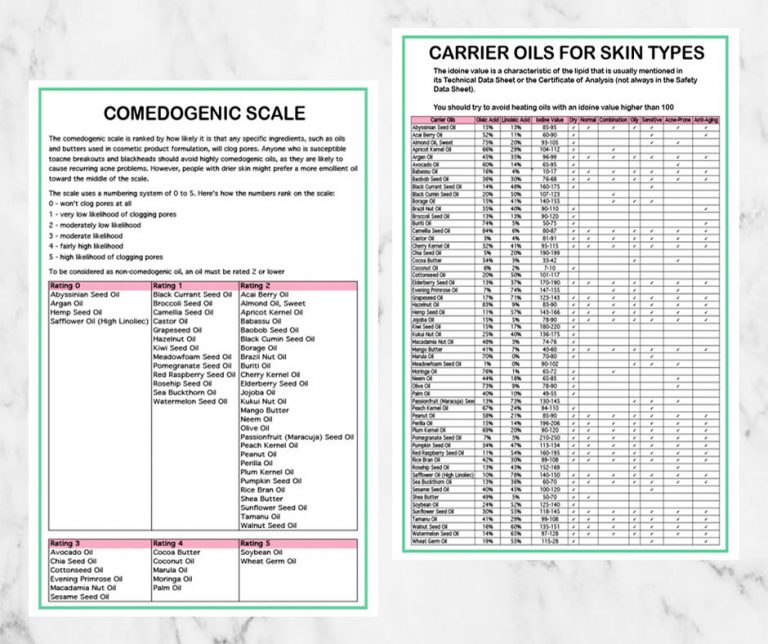
Comedogenic Scale of Carrier Oils for Skin Types
A comprehensive 2-page printable listing vegetable butters and oils with their comedogenic rating for each skin type.
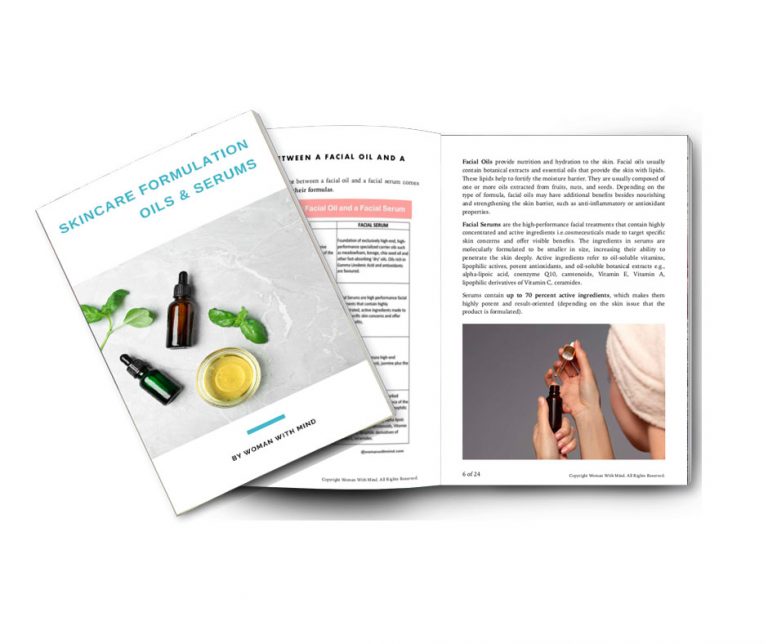
Oils & Serums Formulation
Learn to formulate facial oils and serums using the right carrier oils for your skin type — formula flowcharts and sample recipes included.
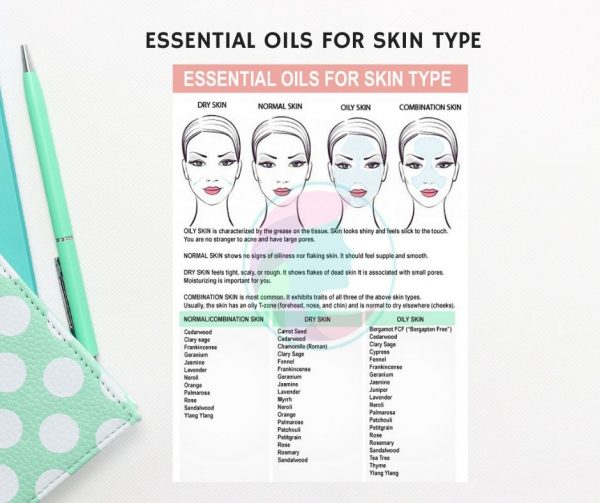
Essential Oils For Skin Type
A 1-page table listing essential oils recommended for specific skin types — perfect alongside the comedogenic scale.
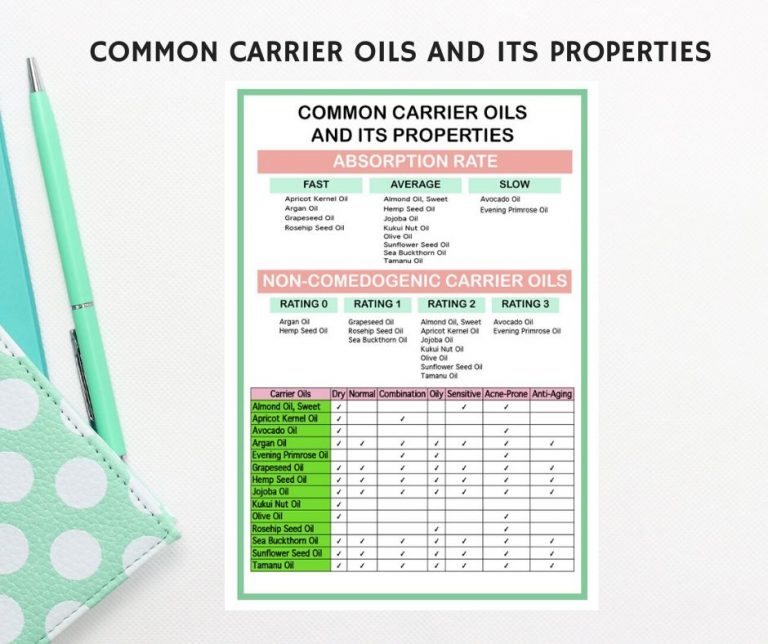
Carrier Oils & Its Properties
A 1-page reference table of common carrier oils and their properties for your skin type and formulas.
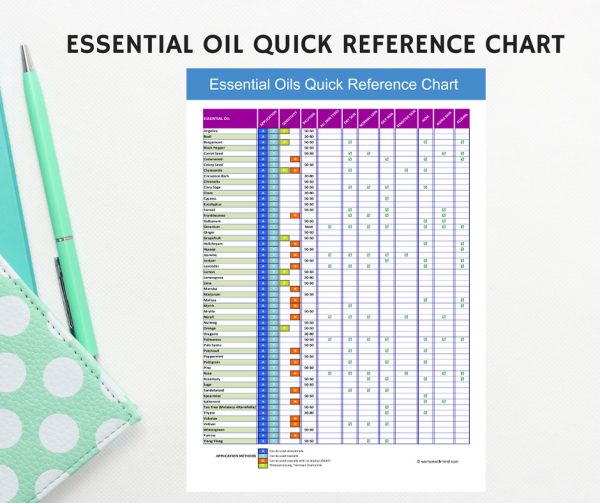
Essential Oil Quick Reference Chart
A 1-page chart covering basic essential oil applications with skin-type recommendations.
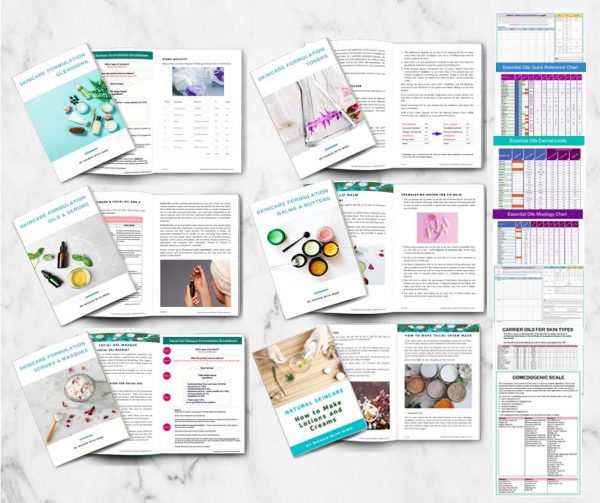
Skincare Formulation Super Bundle
Every formulation guide in one bundle — save 20% vs buying individually. Complete natural skincare from beginner to advanced.
More Formulation Guides
Continue learning with these related guides from the Woman With Mind blog.
Conclusion
Oils can be an excellent addition to your skincare routine as they are a natural way to deliver fatty acids and nutrients to your skin. Even oily skin can benefit from oils — you just have to ensure you're using one that will not clog your pores. Using the comedogenic scale for plant oils and butters is the best way to choose skincare products for your particular skin type, and the best guide when formulating your own.