If you want to add an essential oil or fragrance oil to a water-based product — a toner, facial mist or body spray — you will need a solubilizer. Without one, the oil will simply float on top of the water, creating an unstable and unprofessional product.
How Does a Solubilizer Work
A solubilizer is a mixture of ingredients that allows a small amount of hydrophobic (insoluble in water) ingredients to be uniformly dispersed in water or water-based products. Solubilizers belong to the surfactant group alongside emulsifiers. Although both belong to surfactants, solubilizers are more water-soluble than emulsifiers.
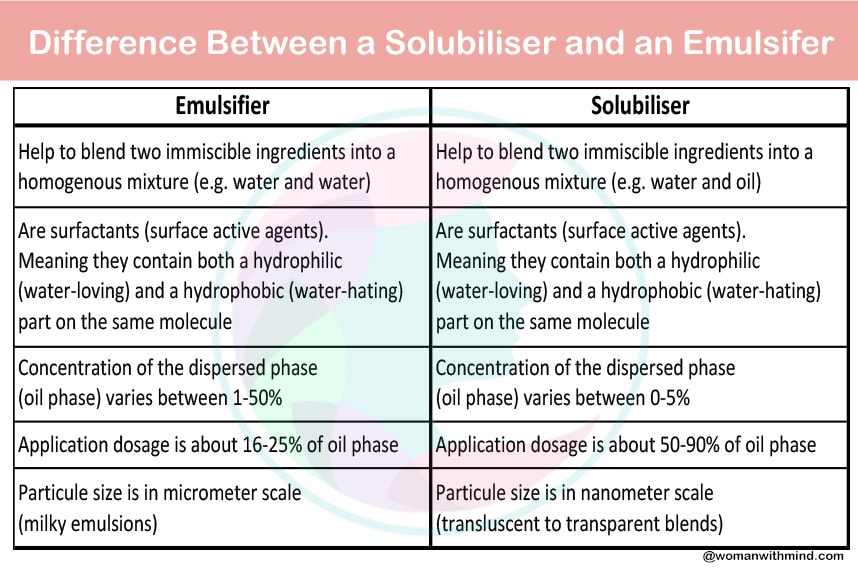
A classic example is a facial toner with essential oil. Without a solubilizer, any essential oil added to a hydrosol will have oil droplets floating on the top of the water. Many DIY home-crafters skip solubilizers entirely — and you can tell, because there's a visible layer of oil droplets floating in the finished product.
This can cause a safety issue: without uniform dispersion, each application of the product may have a different concentration of essential oil, potentially exceeding dermal limits. In a properly solubilized product, the essential oil is evenly dispersed as tiny nanometer-sized invisible droplets — making the product more consistent and safer to use.
Solubilizer vs Emulsifier
Solubilizer
More water-soluble. Used to disperse a small amount of oil uniformly into a water base. The finished product remains clear and transparent. Used in toners, facial mists and body sprays.
Emulsifier
Used to help two larger, immiscible quantities blend into a W/O or O/W emulsion like a lotion or cream. The finished product is opaque and handles much higher oil percentages.
Learn to formulate toners and mists using solubilizers correctly.
My Natural Toners Formulation e-book covers how to incorporate essential oils into water-based products properly — with formula flowcharts, sample recipes and golden ratio guides.
How to Find the Golden Ratio of EO to Solubilizer
Essential oil (EO) should be tested individually for each EO blend to reach the optimum ratio. Not all essential oils will need exact ratios, and it varies widely between different oils — and even for the same oil from different suppliers or harvests. The amount of solubilizer required depends on the polarity of the oils to be solubilized. The more polar the oils, the less solubilizer is needed.
Steps to Find the Golden Ratio
- Start with small batch tests. Blend the solubilizer and EO, mix until homogenous. Add distilled water to the mixture to find the least concentration of the solubilizer that can solubilize the EO in plain water.
- Work with the actual concentration you plan to use in the final formula — no need to test at 5% if you plan to use 0.5%.
- The combination depends on the type of essential oil. The ratio can vary from EO:solubilizer 1:4 to 1:10. Always check the supplier's guide for the recommended ratio.
- Start with a 1:4 ratio and observe the blend. It may take a few hours for the mixture to become completely transparent or translucent.
- If the solution appears transparent after 24 hours, slightly reduce the concentration of solubilizer. If not transparent, increase the solubilizer and repeat until you find the correct concentration.
After finding the most suitable ratio, blend the EO with the solubilizer at this golden ratio before adding to the base product. Assign the percentage for the solubilizer in your formula and reduce the water accordingly.
Example Toner Formula Using Solubilizer
- Lemon hydrosol — 45%
- Lavender hydrosol — 49.5%
- Orange essential oil — 0.5%
- Solubilizer — 4%
- Preservative — 1%
Products That Require a Solubilizer
- Facial toners with essential oils
- Water-based fragrances and aromatic waters
- Refreshing body and room sprays
- Foaming aromatherapy products
Natural Solubilizer Options
The most widely available solubilizers are Polysorbate 20 and PEG-40 hydrogenated castor oil. They work excellently and are very forgiving ingredients. However, because both are PEG-derivatives, they are not considered fully "natural" — though they are much easier to use than true natural alternatives.
INCI: Caprylyl/Capryl Glucoside; Aqua; Sodium Cocoyl Glutamate; Glyceryl Caprylate; Citric Acid; Polyglyceryl-6 Oleate; Sodium Surfactin
Recommended usage: 1:3–1:5 ratio (oil:solubilizer). Gentle, eco-friendly, non-irritant. Stable over a wide pH range.
INCI: Polyglyceryl-6 Caprylate (and) Polyglyceryl-3 Cocoate (and) Polyglyceryl-4 Caprate (and) Polyglyceryl-6 Ricinoleate
Recommended usage: Up to 10%. Use percentages rather than ratios. If you allocate 5% solubilizer in your formula, test to see how much oil it can handle while remaining a clear blend.
INCI: Caprylyl/Capryl Glucoside
Recommended usage: Up to 40%. Also acts as a surfactant and foam stabiliser. An excellent choice for foaming aromatherapy products, face washes and shower gels that contain solubilized essential oils.
Guides & Printables for Skincare Formulators
These e-books and printables are designed to complement what you've learned about solubilizers — helping you formulate toners, facial mists and aromatherapy products correctly.
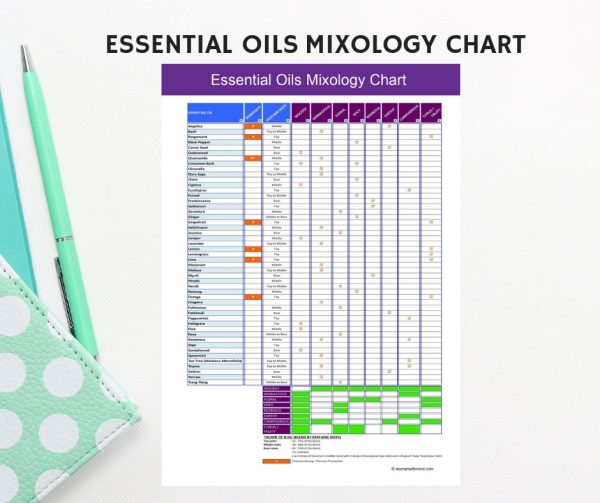
Essential Oils Mixology Chart
A 1-page chart showing essential oil families used in perfumery — essential when formulating toners and facial mists with solubilizers.
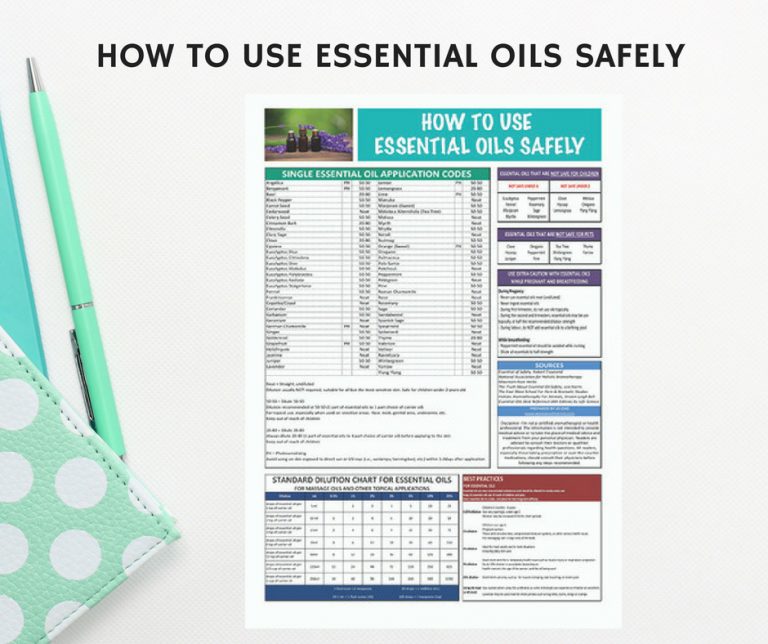
How to Use Essential Oil Safely
Best practices and safety precautions for essential oil use — covers dilution, dermal limits and safe ratios.
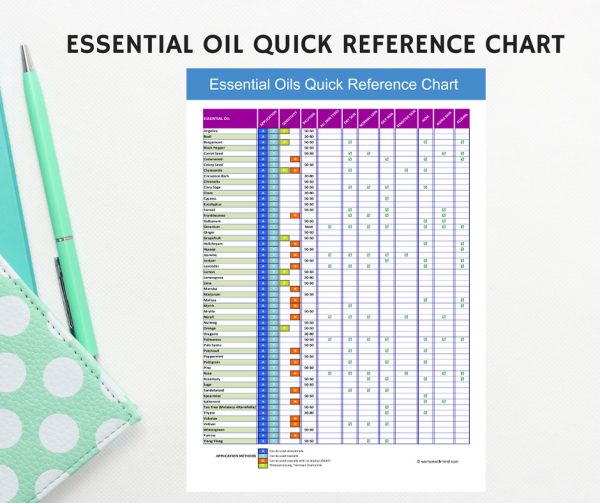
Essential Oil Quick Reference Chart
Covers basic essential oil applications with skin-type recommendations — ideal when choosing oils to solubilize.

Skincare Formulation Super Bundle
Every formulation guide in one bundle — toners, cleansers, serums, balms and more. Save 20%.
More Formulation Guides
Continue learning with these related guides from the Woman With Mind blog.
Conclusion
A solubilizer is essential whenever you add essential oils or fragrance oils to a water-based product. Finding the golden ratio of EO to solubilizer through small batch tests ensures your toners, mists and sprays remain clear, stable and safe from batch to batch. Natural, ECOCERT-approved options are now widely available — so there is no reason to skip this step.